Introduction
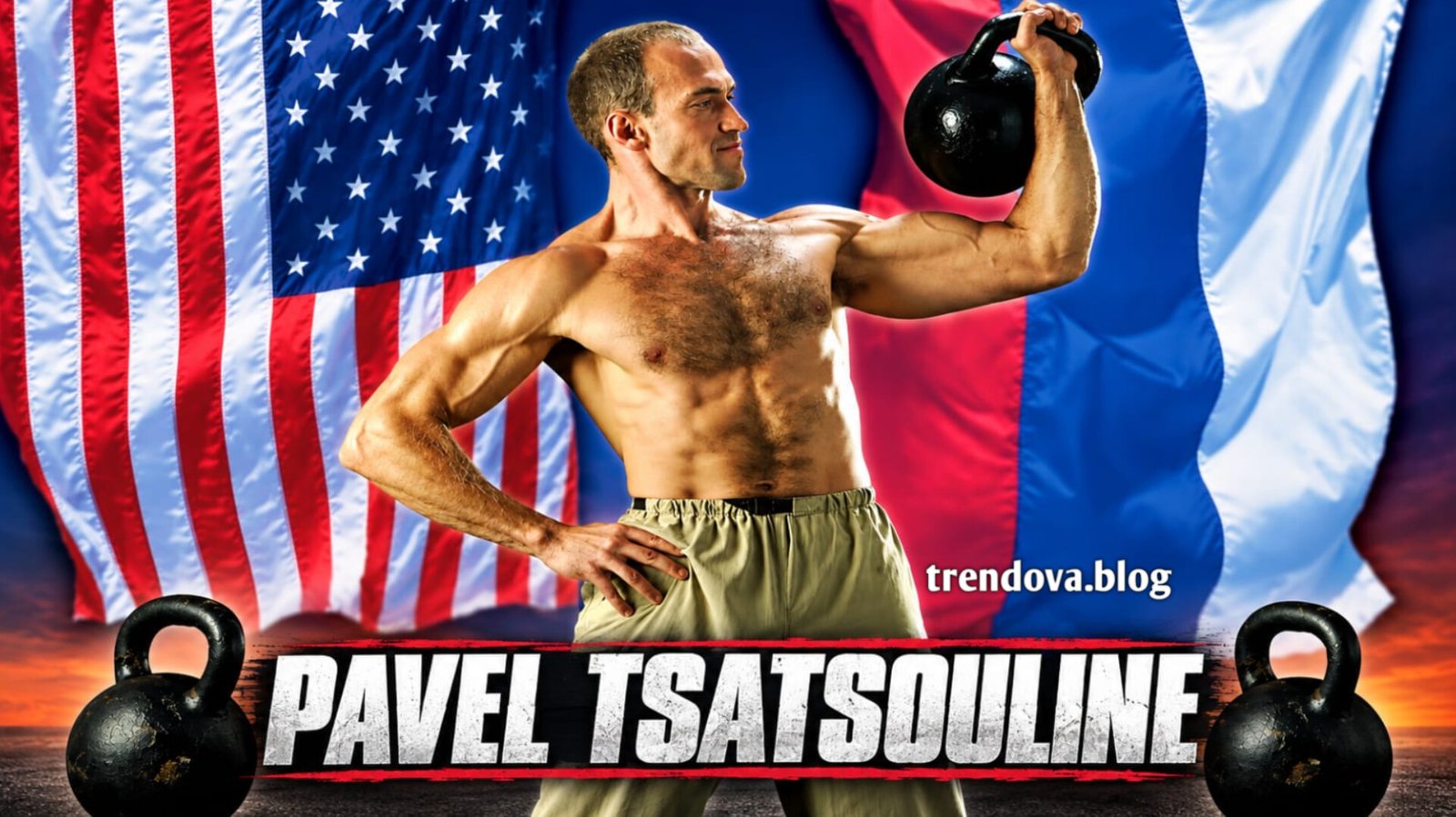
Pavel Tsatsouline is one of the most influential names in modern strength training. He helped introduce kettlebells to a global audience and popularized a training philosophy that emphasizes efficiency over exhaustion. Rather than chasing fatigue, his methods focus on building strength through proper technique, consistent practice, and smart programming.
Whether you’re new to kettlebells or an experienced lifter looking to improve your performance, understanding Pavel Tsatsouline‘s approach can help you train more effectively. This guide explains who he is, the core ideas behind his methods, his most popular training principles, and why his influence continues to shape athletes, coaches, military personnel, and fitness enthusiasts worldwide.
Who Is Pavel Tsatsouline?
Pavel Tsatsouline is a strength coach, author, and educator best known for bringing Russian-inspired strength training principles to Western audiences. Originally from the former Soviet Union, he gained international recognition in the late 1990s through books, seminars, and instructional programs focused on kettlebells and bodyweight strength.
Over the years, he has worked with athletes, military professionals, law enforcement personnel, and fitness coaches. His educational work has helped change how many people think about strength development.
One of his biggest contributions has been demonstrating that strength is largely a skill. According to his philosophy, learning to recruit muscles more efficiently often matters more than simply increasing training volume.
Pavel Tsatsouline’s Training Philosophy
The foundation of Pavel Tsatsouline’s approach can be summarized in one idea:
Train to become stronger—not simply more tired.
Many workout plans encourage people to push until failure. Pavel argues that this isn’t always the fastest route to long-term progress.
Instead, his philosophy focuses on:
High-quality repetitions
Excellent technique
Progressive overload
Adequate recovery
Consistency over intensity
This strategy allows athletes to train frequently while reducing unnecessary fatigue.
Strength Is a Skill
Perhaps Pavel’s best-known concept is that strength behaves much like any other skill.
Just as musicians improve through regular practice instead of exhausting themselves every session, strength athletes can benefit from frequent, technically perfect repetitions.
This means stopping sets before form breaks down and leaving a few repetitions in reserve.
The Role of Kettlebells
Although kettlebells existed long before Pavel became famous, he played a major role in introducing them to mainstream fitness.
A kettlebell’s unique shape shifts its center of gravity away from the hand, making exercises more demanding for stability, coordination, and grip strength.
Popular kettlebell exercises include:
Kettlebell Swing
The swing develops explosive hip power while improving conditioning and posterior chain strength.
Turkish Get-Up
This full-body movement improves shoulder stability, coordination, mobility, and core control through multiple movement patterns.
Goblet Squat
Holding the kettlebell in front of the chest naturally encourages better posture and squat mechanics.
Kettlebell Clean and Press
This exercise combines lower-body power with upper-body pressing strength, making it an efficient full-body movement.
Greasing the Groove Explained
One of Pavel Tsatsouline’s most recognized training methods is Greasing the Groove (GTG).
Rather than performing one difficult workout, GTG spreads practice throughout the day using easy sets.
For example:
If your maximum pull-ups are 10 repetitions, you might perform 4 or 5 pull-ups several times during the day instead of completing one exhausting session.
The goal isn’t muscle fatigue.
Instead, it’s frequent exposure to quality movement, helping the nervous system become more efficient.
This method works especially well for:
Pull-ups
Push-ups
Dips
Bodyweight squats
Handstands
Grip exercises
Why Pavel Avoids Training to Failure
Many bodybuilding routines encourage reaching muscular failure.
Pavel takes a different approach.
Stopping before failure allows:
Better technique
Faster recovery
More frequent training
Improved long-term progress
Reduced injury risk
This doesn’t mean challenging workouts are unnecessary. Rather, fatigue should support progress instead of becoming the primary objective.
Breathing and Tension
Another defining feature of Pavel Tsatsouline’s teaching is the importance of creating full-body tension.
He emphasizes:
Tight grip
Strong core bracing
Controlled breathing
Stable body positioning
Generating tension allows more efficient force transfer throughout the body.
Many of these techniques appear simple, yet they often produce noticeable improvements in lifting performance.
Progressive Overload Without Burnout
Progressive overload remains essential in Pavel’s system.
However, progression doesn’t always require dramatically increasing weight every session.
Progress can come from:
Better Technique
Improved movement efficiency often leads to immediate strength gains.
More Consistent Training
Completing quality sessions week after week produces reliable long-term improvement.
Increased Training Density
Performing the same work in less time can indicate better conditioning and efficiency.
Slight Weight Increases
Small, sustainable improvements often outperform aggressive jumps.
Popular Books by Pavel Tsatsouline
Pavel has written numerous books that have influenced coaches and athletes worldwide.
Some of the best-known titles include:
Enter the Kettlebell
A practical introduction to kettlebell fundamentals, including swings and the Turkish get-up.
Simple & Sinister
One of his most popular training programs, built around two primary exercises:
Kettlebell Swing
Turkish Get-Up
The program focuses on simplicity, consistency, and measurable progress.
The Naked Warrior
This book explores bodyweight strength training using concepts such as tension, balance, and neural efficiency.
Power to the People!
A classic guide focused on building maximum strength through straightforward lifting principles.
Pavel Tsatsouline vs Traditional Bodybuilding
Although both approaches can improve fitness, they prioritize different outcomes.
| Pavel Tsatsouline Method | Traditional Bodybuilding |
|---|---|
| Focus on strength | Focus on muscle size |
| Lower training volume | Higher training volume |
| Rarely trains to failure | Often includes failure training |
| Frequent quality practice | Muscle-focused split routines |
| Emphasis on nervous system | Emphasis on muscular fatigue |
Neither system is universally better.
Your goals should determine which style best fits your needs.
Who Can Benefit from Pavel’s Methods?
His training philosophy appeals to many groups.
Beginners
Simple movements and gradual progression make learning easier.
Athletes
Improved strength often transfers well to sports performance.
Military and Tactical Professionals
Efficient training supports demanding physical occupations.
Busy Professionals
Minimal-equipment workouts can fit into tight schedules.
Older Adults
With proper instruction, moderate resistance training can help maintain strength and mobility.
Common Misconceptions
More Sweat Means Better Results
Heavy sweating isn’t always a sign of effective strength training.
Quality movement and consistent progression matter more.
Strength Requires Long Workouts
Many effective strength sessions can be completed in under an hour.
Some kettlebell programs require only 20 to 30 minutes.
Kettlebells Replace Every Exercise
Kettlebells are versatile but not mandatory.
Barbells, dumbbells, bodyweight exercises, and machines all have value depending on your goals.
Practical Tips for Following Pavel Tsatsouline’s Approach
If you’re interested in trying his methods, start with these principles:
Master proper exercise technique first.
Avoid training to complete exhaustion every session.
Increase weights gradually.
Prioritize recovery and sleep.
Keep workouts consistent.
Focus on movement quality rather than workout length.
Track your progress over time.
Small improvements repeated consistently often produce better long-term results than occasional extreme workouts.
Why Pavel Tsatsouline Remains Influential
Pavel’s ideas continue to influence strength coaches because they emphasize efficiency, longevity, and measurable progress.
His work helped transform kettlebells from a niche training tool into a mainstream fitness option. More importantly, he encouraged many people to rethink what effective strength training looks like.
Instead of viewing every workout as a test of endurance, his philosophy treats each session as an opportunity to improve movement, build strength, and develop lasting physical capability.
Conclusion
Pavel Tsatsouline has had a lasting impact on strength training by challenging the idea that harder always means better. His philosophy centers on practicing movements with precision, building strength gradually, and recovering well enough to train consistently. Whether you use kettlebells, barbells, or bodyweight exercises, the principles of quality, patience, and progressive improvement remain relevant. For anyone seeking practical, sustainable strength development, Pavel Tsatsouline’s methods offer a thoughtful and effective framework.
Visit also : trendova.blog
Who is Pavel Tsatsouline?
Pavel Tsatsouline is a strength coach, author, and educator known for popularizing kettlebell training and promoting strength-focused training methods based on efficient movement and consistent practice.
What is Pavel Tsatsouline famous for?
He is best known for introducing kettlebells to a broader audience, developing the Greasing the Groove training method, and teaching that strength is primarily a neurological skill.
Is Pavel Tsatsouline’s training suitable for beginners?
Yes. Beginners can benefit from his emphasis on learning proper technique, progressing gradually, and avoiding unnecessary fatigue. Starting with lighter weights and mastering basic movements is recommended.
What is Greasing the Groove?
Greasing the Groove is a training strategy that uses frequent, submaximal sets throughout the day to improve strength and movement efficiency without causing excessive fatigue.
Do you need kettlebells to follow Pavel’s philosophy?
No. While kettlebells are central to many of his programs, the underlying principles—quality movement, progressive overload, and consistency—can be applied to barbells, dumbbells, and bodyweight exercises as well.
Is training to failure necessary for strength gains?
Not necessarily. Pavel’s methods generally recommend stopping before failure to maintain technique, recover more effectively, and train consistently over time.