Introduction
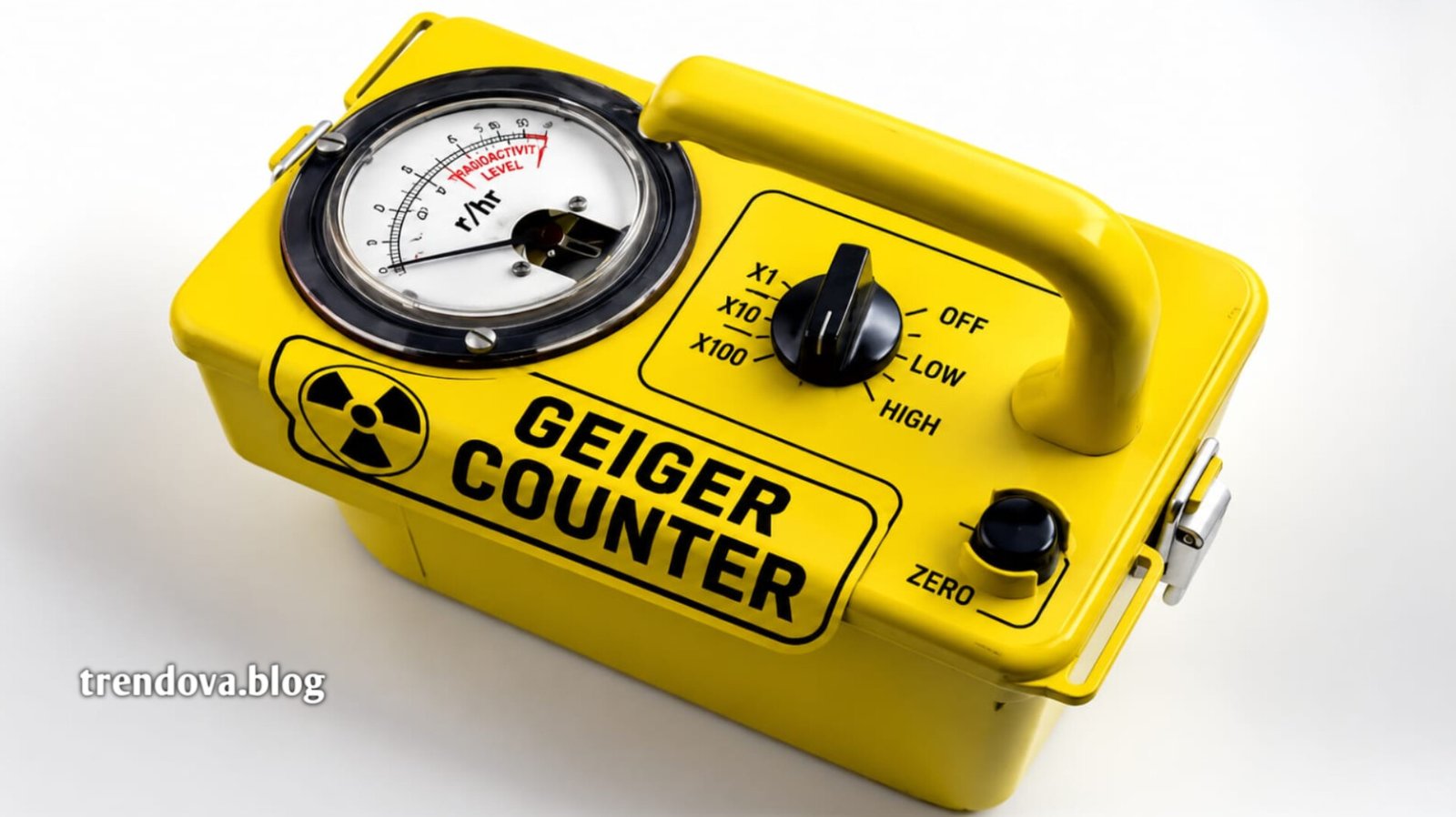
A geiger counter is one of the most recognizable tools for detecting radiation. Whether you are a science student, emergency responder, hobbyist, environmental researcher, or simply curious about radiation safety, understanding how this device works can help you make informed decisions.
Despite its popularity, many people misunderstand what a geiger counter can and cannot do. Some believe it measures every type of radiation accurately, while others assume it can identify radioactive materials by itself. In reality, it has specific strengths and limitations.
This guide explains everything you need to know about geiger counters, including how they work, what they detect, where they are used, and how to select the right model for your needs.
What Is a Geiger Counter?
A geiger counter, also known as a Geiger-Müller counter, is an electronic instrument designed to detect ionizing radiation. It alerts users when radiation is present by producing audible clicks, displaying numerical readings, or both.
The device contains a special sensor called a Geiger-Müller tube, which reacts when radioactive particles or rays pass through it. Each detected event creates an electrical pulse that the instrument counts.
Although commonly called a geiger counter, the complete system includes the detector, electronic circuitry, display, and power source.
How Does a Geiger Counter Work?
Understanding the operating principle is easier than it first appears.
The Geiger-Müller Tube
The heart of the instrument is the Geiger-Müller tube. It contains a low-pressure inert gas enclosed inside a sealed metal cylinder with a thin wire running through the center.
When ionizing radiation enters the tube, it knocks electrons away from gas atoms. This creates charged particles that trigger a brief electrical discharge.
The electronics detect this discharge and register it as a count.
Why Does It Make Clicking Sounds?
Each click represents one detected radiation event.
If radiation levels increase, the clicks become faster. At very high radiation levels, they may sound almost continuous.
Many users appreciate the audible feedback because it allows them to detect changing radiation levels without constantly watching the display.
What Types of Radiation Can a Geiger Counter Detect?
Different geiger counters vary in sensitivity depending on the detector tube and protective shielding.
Alpha Radiation
Alpha particles are relatively heavy and cannot travel very far.
Many standard geiger counters cannot detect alpha radiation unless they include a thin-window detector. Even then, the radioactive source must be very close to the detector.
Beta Radiation
Beta particles are easier for many geiger counters to detect.
These particles can travel farther than alpha particles and are commonly measured during contamination checks.
Gamma Radiation
Gamma rays are highly penetrating electromagnetic radiation.
Most geiger counters detect gamma radiation reasonably well, making them useful for measuring environmental radiation levels.
X-Rays
Many models also detect X-rays because they behave similarly to gamma rays.
Hospitals, laboratories, and industrial facilities may use radiation detectors capable of measuring X-ray exposure during equipment testing.
What Does a Geiger Counter Measure?
Many beginners assume the instrument directly measures radiation dose.
In reality, it usually measures the number of ionizing events detected.
Common display units include:
Counts Per Minute (CPM)
CPM indicates how many radiation events the detector counts every minute.
This is one of the most common measurements for contamination monitoring.
Counts Per Second (CPS)
Some professional instruments display counts every second, allowing faster response to changing radiation levels.
Microsieverts per Hour (µSv/h)
Many modern digital geiger counters estimate radiation dose rates using microsieverts per hour.
These values help users understand potential exposure levels, although accuracy depends on calibration and radiation type.
Common Uses of a Geiger Counter
Geiger counters serve many industries beyond scientific laboratories.
Radiation Safety
Health physics professionals use them to monitor work environments where radioactive materials are handled.
Nuclear Emergency Response
Emergency response teams rely on radiation detectors to assess contaminated areas after accidents involving radioactive materials.
Environmental Monitoring
Researchers use geiger counters to monitor natural background radiation in soil, water, and outdoor environments.
Education
Schools and universities often use geiger counters during physics lessons to demonstrate radioactive decay safely.
Students gain practical experience by observing how radiation measurements change with distance and shielding.
Mining and Geology
Certain minerals naturally contain radioactive elements.
Geologists may use geiger counters during mineral exploration to identify areas with elevated radiation.
Scrap Metal Inspection
Some recycling facilities scan incoming metal shipments for unexpected radioactive contamination before processing materials.
What a Geiger Counter Cannot Do
Although extremely useful, geiger counters have limitations.
It Cannot Identify Specific Radioactive Elements
The device detects radiation but usually cannot determine whether it comes from uranium, cesium, cobalt, or another isotope.
For isotope identification, specialized instruments such as gamma spectrometers are required.
It Does Not Measure Every Radiation Type Equally
Detector sensitivity varies depending on radiation energy and detector design.
One instrument may perform well with gamma rays while offering limited alpha detection.
High Radiation Can Reduce Accuracy
Extremely intense radiation fields may overwhelm some geiger counters.
Professional users working in high-radiation environments often rely on instruments specifically designed for those conditions.
Parts of a Geiger Counter
Most models include several essential components.
Detector Tube
Detects incoming ionizing radiation.
Electronic Circuit
Processes detector signals into readable measurements.
Display
Shows radiation readings using CPM, CPS, or dose rate.
Speaker
Produces the familiar clicking sound.
Battery
Provides portable power for field use.
Analog vs Digital Geiger Counters
Both styles remain available today.
Analog Models
Advantages include:
Simple operation
Needle provides smooth movement
Easy to observe changing radiation trends
Limitations include lower precision and fewer advanced features.
Digital Models
Digital instruments usually offer:
LCD screens
Data logging
Dose rate calculations
Alarm settings
USB or Bluetooth connectivity
Memory storage
These features make them popular among professionals and serious hobbyists.
How Accurate Are Geiger Counters?
Accuracy depends on several factors.
These include:
Calibration quality
Detector tube type
Radiation energy
Distance from the source
Measurement duration
Professional instruments undergo regular calibration to maintain reliable readings.
Consumer models provide useful estimates but should not replace certified monitoring equipment in regulated environments.
How to Use a Geiger Counter Safely
Following proper techniques improves measurement accuracy.
Check Battery Status
Low batteries may affect performance.
Always verify battery condition before beginning measurements.
Understand Background Radiation
Every location has natural background radiation.
Measure background levels before testing suspicious objects.
Move Slowly
Scanning too quickly may cause the detector to miss localized radioactive contamination.
Slow, steady movement produces more reliable results.
Keep Proper Distance
Detector sensitivity changes with distance.
For consistent measurements, maintain similar spacing between the detector and tested object.
Choosing the Best Geiger Counter
The ideal model depends on your intended use.
For Home Users
Look for:
Easy-to-read display
Audible alarm
Battery efficiency
Reliable gamma detection
For Students
Choose affordable models with clear displays and educational documentation.
For Professionals
Advanced users often require:
Alpha, beta, and gamma detection
Data logging
Calibration certificates
Rugged construction
High sensitivity
Geiger Counter vs Dosimeter
These devices serve different purposes.
| Feature | Geiger Counter | Dosimeter |
|---|---|---|
| Detects radiation | Yes | Yes |
| Measures current radiation | Yes | Limited |
| Tracks personal exposure over time | Usually No | Yes |
| Portable | Yes | Yes |
| Best for surveys | Excellent | Limited |
A geiger counter surveys an environment, while a dosimeter records accumulated radiation exposure received by an individual.
Geiger Counter Maintenance Tips
Routine maintenance keeps the instrument operating correctly.
Store it in a dry location.
Replace batteries when needed.
Protect the detector from impacts.
Avoid excessive moisture.
Schedule professional calibration when recommended.
Follow the manufacturer’s operating instructions.
Proper care can extend the service life of the instrument for many years.
Conclusion
A geiger counter is one of the most practical tools for detecting ionizing radiation. From scientific research and environmental monitoring to emergency response and education, it provides fast, reliable information about radiation levels when used correctly.
Understanding how a geiger counter works, what it measures, and where its limitations lie allows you to interpret readings more accurately. While it cannot identify radioactive isotopes or replace specialized laboratory equipment, it remains an essential instrument for radiation detection and safety. By selecting a model that matches your needs and following proper operating practices, you can confidently monitor radiation in a wide range of situations.
Visit also : trendova.blog
Can a geiger counter detect all radiation?
No. Most models detect gamma and beta radiation well, but alpha detection requires a specialized detector tube.
Is background radiation normal?
Yes. Small amounts of natural radiation exist everywhere due to cosmic rays, rocks, soil, and naturally occurring radioactive materials.
Can a geiger counter detect food contamination?
It may detect radioactive contamination on the surface of food if radiation levels are sufficient, but it cannot determine whether food is safe to eat or identify specific radioactive substances.
Are geiger counters legal to own?
In most countries, individuals can legally purchase and own geiger counters. Local regulations may differ, especially for professional use.
Do smartphones work as geiger counters?
Some apps estimate radiation using external sensors, but a smartphone alone cannot reliably detect ionizing radiation.
How often should a geiger counter be calibrated?
Professional users should follow manufacturer recommendations and workplace regulations. Regular calibration helps maintain measurement accuracy.